Yarrow

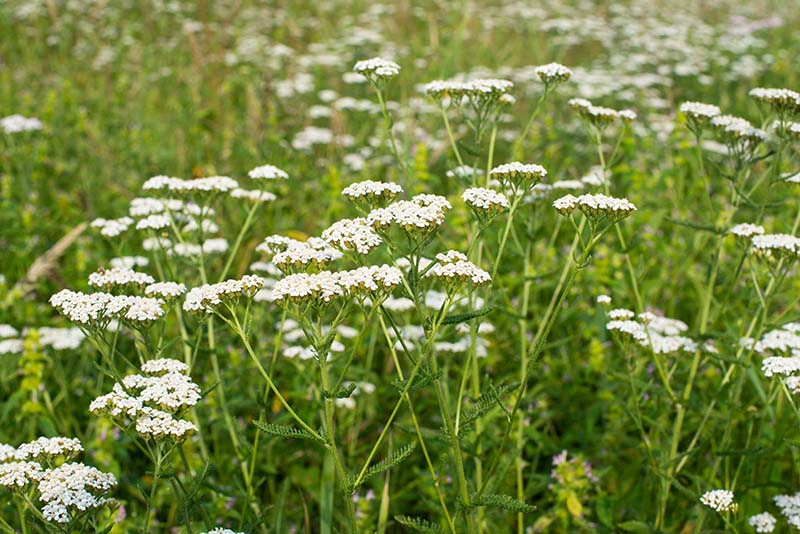
Botanical Name: Achillea millefolium
Purchase through Starwest-Botanicals: CLICK HERE (*Affiliate Link*)
Yarrow is a medicinal herb.
Benefits & Uses of Yarrow: Anti-Inflammatory, Blood Pressure, Circulation, Cold / Flu, Digestion, Fever, Gums, Women, Wounds
Key Constituents: linalool, pinene, thujone, camphor, azulene, chamazulene, proazulene, beta-carotene, vitamin c, vitamin e, flavonoids
Key Actions: Astringent, Digestive tonic, stimulates sweating and reduces fever, stops bleeding, strengthens blood vessels (especially veins), wound healer
Parts used of Yarrow: Flower Heads, Aerial Parts, Leaves
Parts Best used: Dried or Fresh
Ways to Prepare Yarrow: Essential Oil, Poultice, Tincture
Bodycare Uses: Salve
Culinary Uses: Yarrow's bitter flavor makes it an uncommon ingredient in meals. It can be sparingly added to salads, soups, and stews.
Herbal Combinations: Elderflower
Recipes in Books:
The Womans Herbal Apothecary, JJ Purcell: Sitz Bath p. 113. Back off BV Wash p.113. Yeast Free Tea p.116. Cooling Bath p.171. Cold and Flu Capsules p.206. Head Cold Tea p.206.
Healing Herbal Infusions, Colleen Codekas: fever reducing tea p.85. Four herb wound Salve p.62. UTI relief tea p.94.
Wild Remedies, Rosalee De LA Foret: Yarrow & Elderflower tea p.214. Yarrow bug spray p.215.
Herbal Revolution, Kathi Langelier: Baby's here now what infusion p.95. Circulation Bath + body oil p.123. Fever break tea + bath p.66. Fire it up tea p.120. Gut soothing tea p.42. Healing support tincture + infusion for a miscarriage or abortion p.96. Herbal healing Salve p.155. Joint + tendon oil p.160. Lionhearted tincture P.119. Pms support tincture p.88. Slow it down tea p.46.
The Healing Garden, Juliet Blankespoor: Influ-endsa Tea p.417. Free and clear sinuses tincture p.284.
Herbal Recipes, Rosemary Gladstar: Rapunzel locks infusion p.149. Cramp Relief formula p.220. Vitamin c poultice p.301.

Growing
Yarrow
Plant Type:
Perennial
Sprouts in:
10-14 Days
Sun Exposure:
Full Sun
Plant Zone:
3-9
Ideal Temperature:
-10°F to 85°F
Planting Depth:
Surface Sow
Planting Space:
1-3'
Plant Height:
2-4'
When To Plant:
8-10 weeks before planting outside
Bee Pollinator
Container Friendly
Start Seeds Indoors
Deer Resistant
Pest Repellant
Plant Maintenance: Low
Frost Hardy: Yarrow are Freeze Tolerant (Vegetables that can endure freezing temperatures between 26°F and 28°F. They are the champions of cold resilience.)
When to plant outdoors: Plant in the spring after the danger of frost has passed.
Easiest To Grow From: Seed
Common Pests: Aphids, mealybugs, spittlebugs
Common Problems: Botrytis, root rot, powdery mildew
Growing Tips: One common issue of Yarrow is its fast growth and aggressive behavior. If left unchecked, yarrow can rapidly expand and overpower weaker plants in its vicinity. To prevent yarrow from spreading in your vegetable garden, make sure to trim off faded flowers before they form seeds. Another option is to regularly trim or mow down the yarrow plants. Additionally, consider planting yarrow along the borders and edges of your garden instead of within the main beds. This practice will help control self-seeding and spread of yarrow in your vegetable garden.
Fertilizing: Do NOT fertilize yarrow!
Seeds & Companion Plants
Ease of Growing from Seed: Fairly easy once seed sprouts
Seeds can be saved. How To Save Seeds: Seeds are ready to harvest when the flowers have dried brown. Store seeds in a cool, dry place for up to 2 years.
Planting Veggie Companions:
Cucumbers
Tomatoes
Cabbage
Jalapenos
Planting Herb Companions:
Rosemary
Other Planting Companions: Fruit Trees
More Detail on Companions:
- Yarrow repels pests like aphids and flea beetles.
- Yarrow's ability to attract predatory insects provides a natural defense against aphids and spider mites that may harm your tomato plants.
- By introducing yarrow into your garden, you can attract tachinid flies and parasitic wasps, which will in turn assist in managing the populations of cucumber beetles and whiteflies by acting as beneficial predators.
- Yarrow and rosemary thrive in sunny spots with good drainage. Planting yarrow near your rosemary can help keep aphids and other pests away from it.
- Yarrow can act as a natural shield for basil against common pests such as aphids.

Harvesting & Preserving
Pruning Tips: Deadhead faded and brown spent flowers encourage further blooming and prevent the yarrow flowers from drying out, going to seed, and taking over your garden.
When to Harvest: Harvest yarrow on a warm, sunny day when the plants are in full bloom. Wait until after the morning dew but before the heat of the day.
Harvesting Tips: Remove withered blooms in the middle of summer to stimulate the growth of a second wave of flowers. Cut the stem just above a leaf node. You can use both the flowers and the leaves.
To dry yarrow flowers, you can hang your harvests upside down in a dark, dry location or use a dehydrator.
**When foraging for wild herbs, be sure to pay attention to where you are getting it from. Be cautious about harvesting plants grown in potentially contaminated areas like roadsides, driveways, unfamiliar terrain, and areas that may have been sprayed with herbicides.
Pets & Yarrow
If ingested: can be toxic to dogs in small doses
Cautions when using Yarrow with pets:
Your dog might show signs of Increased urination, vomiting, diarrhea, dermatitis if ingesting Yarrow.
Yarrow Videos
Foraging Yarrow Benefits & Uses
Rosemary Gladstar's Garden Wisdoms: Yarrow
Harvesting and Preserving Yarrow
This Plant Does Everything (And Grows Itself!)