Sage

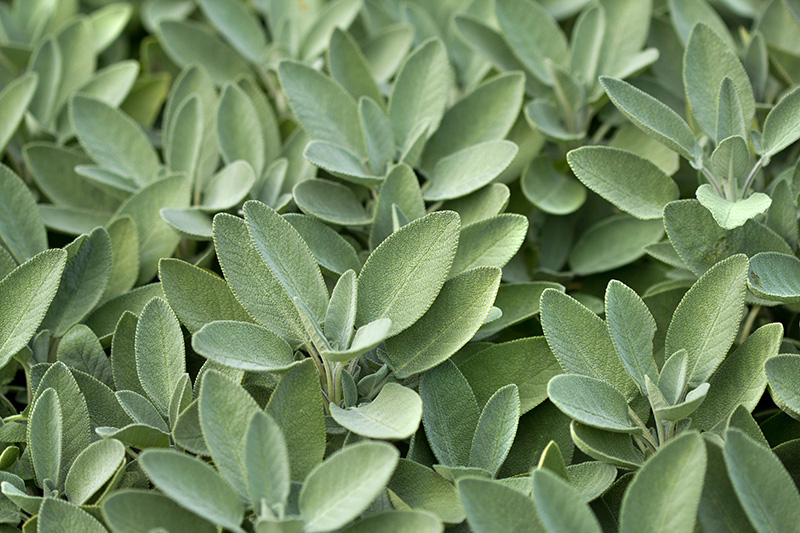
Botanical Name: Salvia officinalis
Benefits & Uses of Sage: Anti-Inflammatory, Antioxidant, Brain, Digestion, Hair Growth, Heart, Oral, Sore Throat, Women
Parts used of Sage: Leaves
Parts Best used: Dried or Fresh
Ways to Prepare Sage: Essential Oil, Infusion, Tea, Tincture
Household Uses: Cleaning
Bodycare Uses: Bath Salt, Cream, Deodorant, Massage Oil, Salve

Growing
Sage
Plant Type:
Perennial
Sprouts in:
7-21 days
Days to Maturity:
90-100 days
Sun Exposure:
Full Sun
Plant Zone:
5-8
Ideal Temperature:
60-70°F
Soil Ph:
6.5 to 7.0
Planting Depth:
Slightly Cover
Planting Space:
18-24"
Plant Height:
2–2.5'
When To Plant:
6-8 weeks before last frost
Bee Pollinator
Container Friendly
Start Seeds Indoors
Deer Resistant
Plant Maintenance: Low
Frost Hardy: Sage is Frost Tolerant (Can survive several hours between down to 28°F as long as they have been acclimated to colder temperatures. Plants gradually exposed to decreasing temperatures for a prolonged period will undergo biological adjustments, enhancing their ability to endure colder weather compared to plants subjected to a sudden temperature plunge.)
Easiest To Grow From: Seed
Seeds & Companion Plants
Ease of Growing from Seed: Fairly easy once seed sprouts

Harvesting & Preserving
When to Harvest: During the initial year of growth, it is best to harvest only a small number of leaves sporadically. After the plant has endured a winter, established a robust root system, and grown bushier, a larger amount of leaves can be harvested. The best time of day to harvest is during mid-morning, once the dew has evaporated and the essential oils in the leaves have become more concentrated.
Harvesting Tips: Harvest sage either by plucking individual leaves or by cutting a stem that contains a cluster of leaves.
**When foraging for wild herbs, be sure to pay attention to where you are getting it from. Be cautious about harvesting plants grown in potentially contaminated areas like roadsides, driveways, unfamiliar terrain, and areas that may have been sprayed with herbicides.
Pets & Sage
If ingested: It should be safe for dogs, but best to check with your vet or professional for safe dosage
How Sage can be used for pets: Its ability to fight off bacteria and fungi helps shield your pet from infections, ultimately boosting its well-being.
Sage Videos
SAGE GROWING GUIDE: Harvest It Forever
How to Make Your Own Sage Bundle Sticks!