Hawthorn

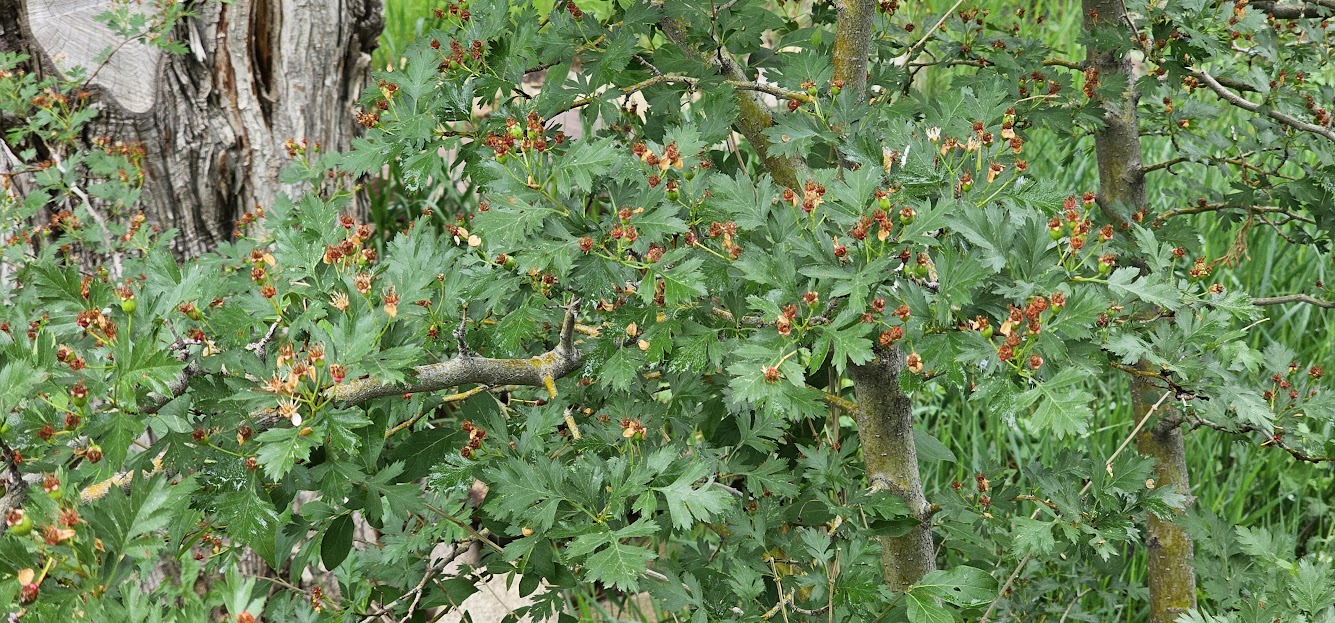
Botanical Name: Crataegus spp.
Benefits & Uses of Hawthorn: Anti-aging, Anti-Inflammatory, Antioxidant, Anxiety, Blood Pressure, Circulation, Digestion, Heart
Key Constituents: Bioflavonoids, Triterpenoids, Proanthocyanins, Polyphenols
Key Actions: Antiarrhythmic, Antioxidant, Antispasmodic, Astringent, Cardiovascular, Carminative, Diuretic, Hypotensive, Stimulant, Vasodilator
Parts used of Hawthorn: Flower Heads, Aerial Parts, Leaves, Fruit
Parts Best used: Dried or Fresh
Ways to Prepare Hawthorn: Decoction, Elixir, Infusion, Syrup, Tablets, Tea, Tincture
Bodycare Uses: Bath Salt, Cream, Soap
Safety & Contraindications: Typically regarded as a safe herb, it's important to consult your physician if you are taking heart medications such as digitalis or beta blockers. It is advisable to seek guidance from a licensed healthcare professional prior to using herbal remedies, especially if you are pregnant, breastfeeding, or taking any medications.

Growing
Hawthorn
Plant Type:
Perennial
Sun Exposure:
Full Sun
Soil Ph:
They tolerate almost any type of soil and variations in pH.
Plant Height:
15-50'
Plant Maintenance: Low
Frost Hardy: Hawthorn are Freeze Tolerant (Vegetables that can endure freezing temperatures between 26°F and 28°F. They are the champions of cold resilience.)
Easiest To Grow From: Seed
Seeds & Companion Plants

Harvesting & Preserving
**When foraging for wild herbs, be sure to pay attention to where you are getting it from. Be cautious about harvesting plants grown in potentially contaminated areas like roadsides, driveways, unfamiliar terrain, and areas that may have been sprayed with herbicides.
Pets & Hawthorn
Hawthorn Videos
How to Grow a Hawthorn from Seed
Hawthorn Berry - Harvest and Tinture
Foraging & Identifying Hawthorn
Harvest and Make Hawthorn Berry Tincture