Elderberry

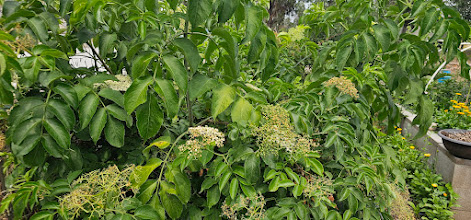
Botanical Name: Sambucus nigra
Parts used of Elderberry: Allesoe, Haschberg, Korsor, Samdal, Sampo, Variegated
They have shallow root systems
Benefits & Uses of Elderberry: Allergy, Antiviral, Arthritis, Cold / Flu, Congestion, Cough, Digestion, Immune, Urinary
Key Constituents: Flavonoids, Anthocyanins
Key Actions: Antiviral, Clears mucus, Anti-inflammatory, Diuretic, Increases sweating
Parts used of Elderberry: Flower Heads, Fruit
Parts Best used: Dried or Fresh
Ways to Prepare Elderberry: Decoction, Infusion, Juice, Syrup, Tea, Tincture
Bodycare Uses: Cream
Culinary Uses: Jams, Jellies, Juices, Wine, Preserves, Pies

Growing
Elderberry
Plant Type:
Perennial
Sun Exposure:
Full Sun to Partial Shade
Plant Zone:
3-10
Soil Ph:
Prefer 5.5 - 6.5
Planting Space:
6-10'
Plant Height:
10-12'
Bee Pollinator
Container Friendly
Plant Maintenance: Low
Mistakes: I planted two plants but one didnt make it. I should've replaced it so it could cross pollinate.
Frost Hardy: Elderberry are Freeze Tolerant (Vegetables that can endure freezing temperatures between 26°F and 28°F. They are the champions of cold resilience.)
When to plant outdoors: In the spring
Easiest To Grow From: Plant
Common Pests: Aphids, Spider mites, Japanese beetles, Sawflies, Thrips, and various borers
Common Problems: Birds eating the berries. Susceptible to root rot.
Growing Tips: Elderberry plants reach their highest yield within the first three years of growth. After this period, their productivity diminishes, making it advisable to remove the older areas. Leaving the canes that are older than 3 years can drain its energy. The shrub needs six to eight canes to survive. Water them well the first year and until established. Grow your own plant by taking cuttings during its dormant phase over the winter.
While it’s believed that two plants are needed for fruit production, my single plant is producing fruit on its own. I've learned that fruit can form without cross-pollination, but when the flowers get cross pollination, they should produce larger fruit. Consequently, having two different varieties of elderberry in close proximity is beneficial.
It is easiest to grow Elderberry from a plant trimming in either water or soil. Videos below on how to do it in soil and for the water method, check out https://mommypotamus.com/growing-elderberry/
Fertilizing: Fertilize once a year in the spring
Seeds & Companion Plants
Ease of Growing from Seed: Easier to grow from cuttings
Planting Veggie Companions:
Garlic
Planting Herb Companions:
Yarrow
Red Clover
Comfrey
Borage
Oregano
Other Planting Companions: Nasturtiums, Chickweed
More Detail on Companions:
Garlic serves as an effective natural repellent for pests, effectively warding off aphids, spider mites, and various other insects that pose a threat to elderberry plants.
Borage serves as a fantastic companion for elderberry plants. It draws in pollinators, particularly bees, which play a vital role in elderberry pollination.

Harvesting & Preserving
Pruning Tips: Prune after 2-3 years, then do it yearly. Prune over the winter when its dormant. Sanitize trimmers before trimming. Remove any dead, broken, or weak at the trunk and if possible areas over 3 years old. Snip the canes with a diagonal cut.
When to Harvest: Usually occurs from mid-August to mid-September. There's a small window to harvest elderberries. When each cluster is about 80% ripe, its a good time to cut off the cluster. If you wait much longer than that, the birds could get them all.
Harvesting Tips: Be sure to pick them before the birds do! The second year will have a better harvest than the first. Elderberries are known to stain everything so its best to cut off the full clusters and put in a paper bag. Freeze the paper bag. After a day or two, remove the frozen bag and shake the bag to de-stem. You can also swirl them in a bowl to get the berries off. Freezing the berries helps prevent your hands from getting stained.
**When foraging for wild herbs, be sure to pay attention to where you are getting it from. Be cautious about harvesting plants grown in potentially contaminated areas like roadsides, driveways, unfamiliar terrain, and areas that may have been sprayed with herbicides.
Pets & Elderberry
Benefits for Dogs: When prepared properly, elderberries can enhance your pet's immune system, decrease inflammation, aid digestion, combat infections, alleviate respiratory problems, and promote healthy skin and coat naturally.
If ingested: can be toxic to dogs in small doses
Cautions when using Elderberry with pets:
Pets should never consume raw or unripe elderberries.
**Before administering any supplements to your dog, you should seek advice from a veterinarian**
Elderberry Videos
When to Harvest Elderberries (& How to NOT Stain Your Fingers)
How to Make Elderberry Syrup
The Amazing Benefits of Black Elderberry
How to Propagate Elderberry Cuttings
Elderberry Plants from your Cuttings
Pruning & Knowing WHEN it's Time