Borage

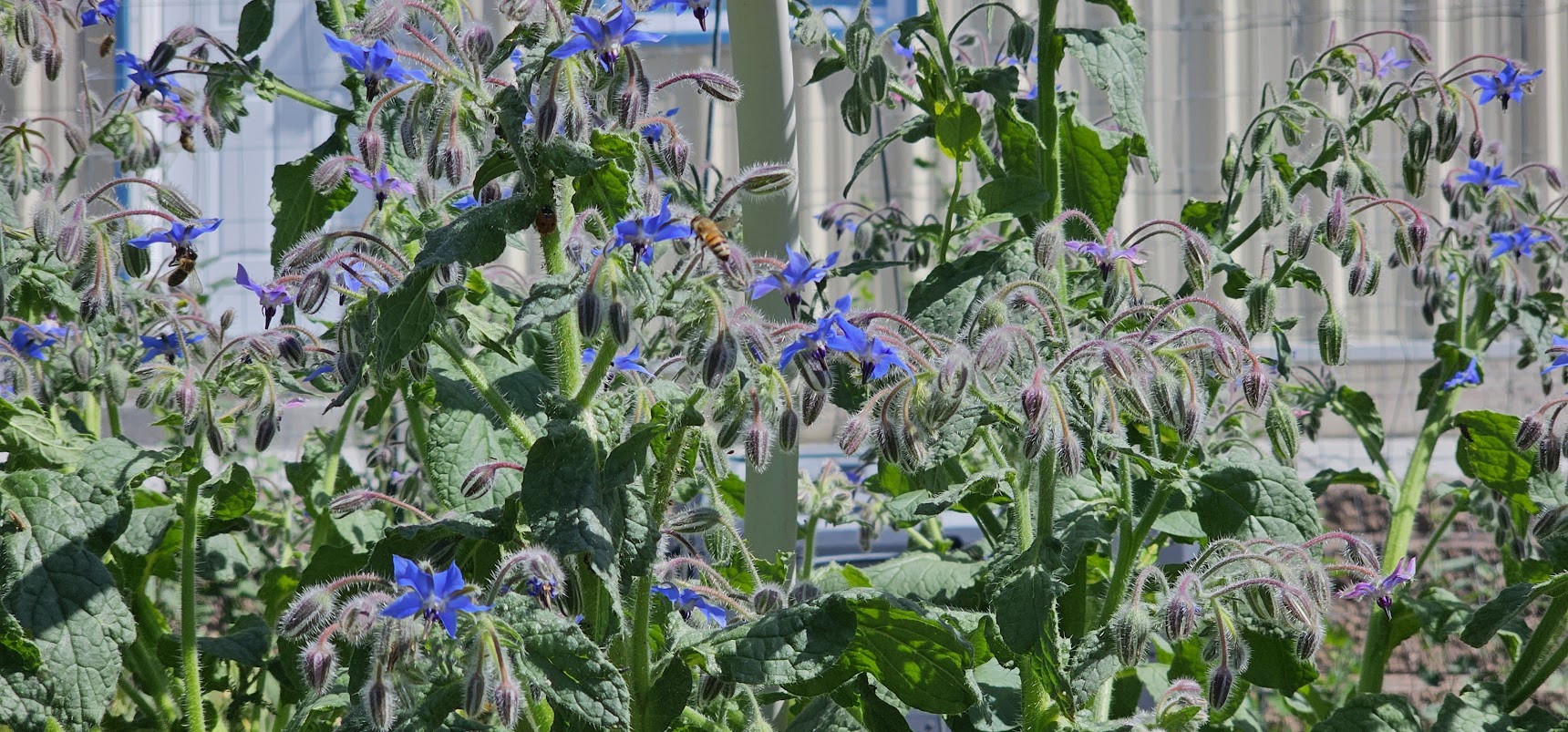
Botanical Name: Borago officinallis
Borage is a great plant to attract bees to your garden.
Benefits & Uses of Borage: Diuretic, Respiratory, Skin, Women
Parts used of Borage: Flower Heads, Aerial Parts, Leaves
Parts Best used: Dried or Fresh
Ways to Prepare Borage: Elixir, Honey, Infusion, Poultice, Syrup, Tea, Tincture
Culinary Uses: The edible flowers are a great garnish or salad topping

Growing
Borage
Plant Type:
Annual
Sprouts in:
7-14 days
Days to Maturity:
50 - 60 days
Sun Exposure:
Full Sun
Plant Zone:
3-10
Planting Depth:
1/4-1/2"
Planting Space:
12"
Plant Height:
2-3'
When To Plant:
6 to 8 weeks before the last frost
Bee Pollinator
Container Friendly
Start Seeds Indoors
Plant Maintenance: Low
Frost Hardy: Borage are Frost Susceptible (When temperatures drop below 30°F for five to ten minutes or when temps remain in the 31 to 32°F. range for several hours, it will most likely kill the plant.)
When to plant outdoors: After last spring frost
Easiest To Grow From: Seed
Common Pests: Grasshoppers and Japanese beetles are sometimes attracted to borage
Common Problems: Borage can be susceptible to root rot or Fungal leaf spot
Growing Tips: Doesn't always do well being transplanted. Since borage forms a taproot rapidly, handle the seedlings with care during the transplanting process to avoid harming the root system.
Seeds & Companion Plants
Ease of Growing from Seed: Easy
Seeds can be saved. How To Save Seeds: It's a heavy self sower. The large black seeds fall out of the flowers and self sow, or pick the seeds before they fall out and save for the next season
Planting Veggie Companions:
Tomatoes
Peas
Jalapenos
Cucumbers
Cabbage
Beans
Planting Herb Companions:
Basil
Bad Planting Companions: Potatoes, Black Walnut, Fennel

Harvesting & Preserving
When to Harvest: Snip off young leaves in the spring and summer as needed. To harvest the leaves, harvest them when they're smaller and before the bristles develop.
Harvesting Tips: Cut or snip leaves and flowers with a garden snip or scissors. It makes a great compost like Comfrey.
**When foraging for wild herbs, be sure to pay attention to where you are getting it from. Be cautious about harvesting plants grown in potentially contaminated areas like roadsides, driveways, unfamiliar terrain, and areas that may have been sprayed with herbicides.
Pets & Borage
Borage Videos
This Plant Does EVERYTHING | Borage Growing Guide
How to GROW & USE BORAGE
How Do You Deadhead Borage?