Ashwagandha

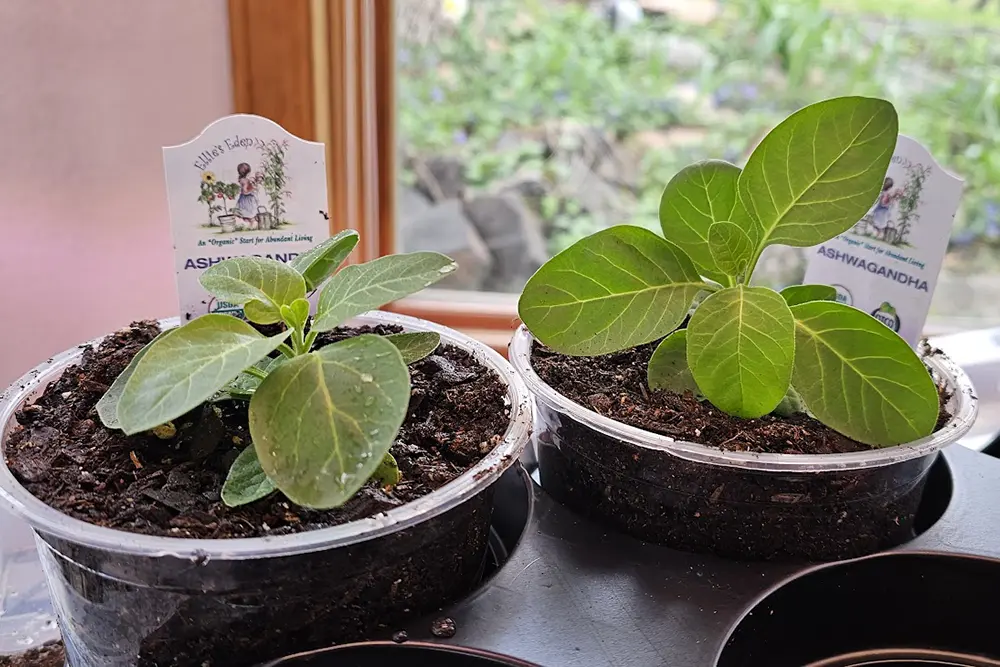
Botanical Name: Withania somnifera
Ashwagandha is a long-lived herb that flourishes in climate zones reaching up to 10, but it can also be cultivated as an annual plant in cooler regions. It requires a full growing season to reach maturity. Berries will ripen from green to red.
Benefits & Uses of Ashwagandha: Anxiety, Diuretic, Energy, Immune, Sedative, Sleep
Key Constituents: Alkaloids, Steroidal lactones, Iron
Key Actions: Adaptogen, Anti-inflammatory, Antioxidant, Anti-tumor, Aphrodisiac, Nervine, Sedative
Parts used of Ashwagandha: Roots, Leaves, Fruit
Parts Best used: Dried
Ways to Prepare Ashwagandha: Capsules, Decoction, Powder, Tablets, Tincture
Culinary Uses: Infused Milk

Growing
Ashwagandha
Plant Type:
Perennial
Sprouts in:
7-14 days
Days to Maturity:
135+ days
Sun Exposure:
Full Sun
Plant Zone:
8-12, otherwise grown as an annual
Ideal Temperature:
70-95 Degrees F
Soil Ph:
7.5 to 8.0
Planting Depth:
1/8"
Planting Space:
18-36"
Plant Height:
2'-3'
When To Plant:
6-8 weeks before last frost
Container Friendly
Start Seeds Indoors
Plant Maintenance: Low
Drought Tolerant
Frost Hardy: Ashwagandha are Frost Susceptible (When temperatures drop below 30°F for five to ten minutes or when temps remain in the 31 to 32°F. range for several hours, it will most likely kill the plant.)
When to plant outdoors: After last spring frost
Easiest To Grow From: Seed
Common Pests: Flea beetles
Growing Tips: It is essential to harden your new plants before planting them outside. This involves gradually introducing them to the outdoors by placing them outside for short periods during the day. This process helps your seedlings adjust to external conditions, such as sunlight and wind. We typically do this for a duration of several weeks to a month, which enhances their stems and overall resilience. If grown in containers, it is recommended to use containers that have a capacity of at least 5 gallons for the roots.
Seeds & Companion Plants
Ease of Growing from Seed: Fairly easy
Seeds can be saved. How To Save Seeds: To harvest ashwagandha seeds, cut the entire stem that holds the fruit. Carefully place the cut stem into a basket without damaging the fruit or seeds. Gently remove the fruits from the stems. Try to avoid crushing the seeds. Once the fruit is removed lay them in a single layer until they are fully dry. Then you can remove the seeds by gently crushing the fruit. The seeds should be separated from the fruit and any debris using a sieve or strainer. Store the seeds in an airtight container in a cool, dry place.
Planting Veggie Companions:
Tomatoes
Planting Herb Companions:
Basil
Other Planting Companions: Geraniums, Marjoram, Okra, Alliums, Marigolds

Harvesting & Preserving
When to Harvest: Dig up the roots before the first frost or at the second fall if grown in warmer climates.
Harvesting Tips: Harvest when they are fully ripe. This is usually when the fruit is a bright orange-red color. Green fruit is not yet ripe and should be left on the plant until it matures. Proper timing for the harvest is crucial, as fully mature seeds are essential for maximizing their medicinal effectiveness. After harvesting the ashwagandha seeds, it's essential to dry and store them correctly. Lay the seeds out in a single layer and allow them to air dry. Keep them away from direct sunlight and high humidity. Once fully dried, the seeds should be kept in an airtight container in a cool, dark place.
**When foraging for wild herbs, be sure to pay attention to where you are getting it from. Be cautious about harvesting plants grown in potentially contaminated areas like roadsides, driveways, unfamiliar terrain, and areas that may have been sprayed with herbicides.
Pets & Ashwagandha
Ashwagandha Videos
The Unique Benefits of ASHWAGANDHA
HOW TO GROW ASHWAGANDHA FROM SEEDS
Ashwagandha Root | How To Harvest, Clean & Dry For Storage
Ashwagandha for Energy