Zucchini

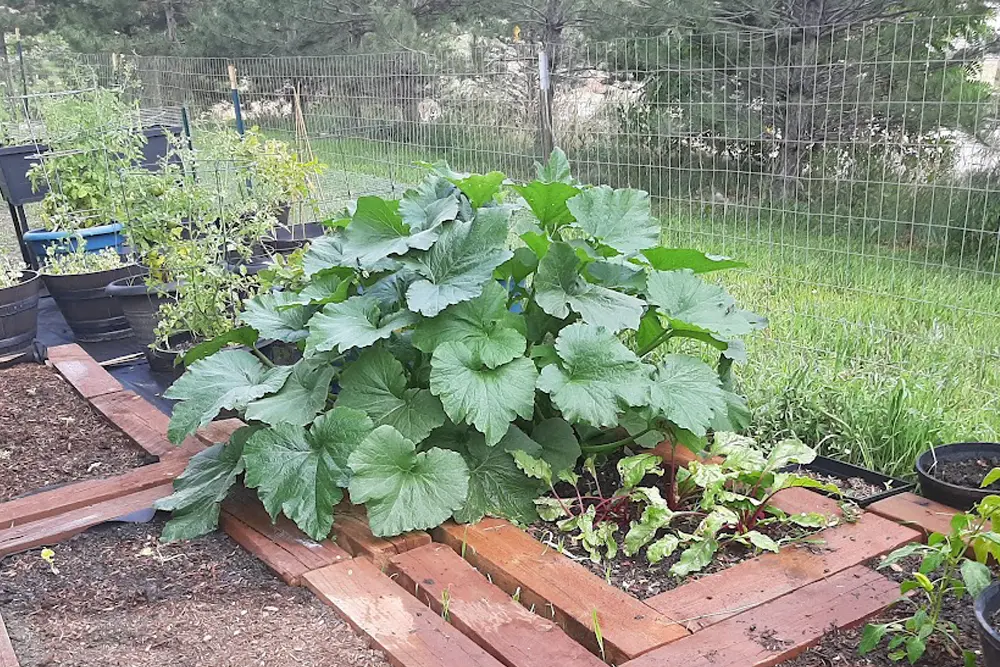
Zucchini thrives in warm weather and should be sown once the soil temperature reaches a minimum of 60°F (15°C). The best time to plant can differ based on your geographical region, but it's advised to wait until after the final frost date. Zucchini plants produce flowers of both genders. For the female flowers to develop into fruit, they need to be pollinated. To tell them apart, examine the area behind the flower; the female flowers will have a swollen, egg-like structure at the base, which is an undeveloped zucchini. If you plant more than one zucchini they can cross pollinate or plant pollinator-friendly plants close to attract bees. One process of producing more female flowers is to water your plants more frequently. If you notice lots of male flowers, consider removing some of them as they use up more of the plants energy.
Ease of Growing from Seed:
Easy
Plant Maintenance:
Low
Mistakes:
Not harvesting for a few day and finding a really huge zucchini
Frost Hardy:
Zucchini are Freeze Tolerant (Vegetables that can endure freezing temperatures between 26°F and 28°F. They are the champions of cold resilience.)
Common Pests:
Squash bugs, cucumber beetles, Cutworms, squash vine borers
Common Problems:
Powdery mildew, bottom end rot, downy mildew
Pruning Tips:
If growing vertically, keep the bottom leaves pruned to help prevent mildew. If you have a lot of male flowers, pinch some of them off to help give more energy to the female flowers.
Growing Tips:
Zucchini does not always transplant well. Gently handle the roots to prevent damage. Or directly sow in your garden once the danger of frost has passed and ensure that nighttime temperatures consistently stay above 55°F before planting in the garden. It can be planted in containers, but I'd recommend a large pot as they have an extensive root system. I prefer to grow my zucchini vertically as it helps me keep the leaves and vine off the ground. Last season I tried the tomato cage, but by the end of the season it became top heavy and tipped over. This year I'll add a stake or two to see if that helps keep it vertical.
Fertilizing:
Regular fertilization of your zucchini plant is crucial for its health. Opt for a premium fertilizer formulated for vegetable growth. A good choice will definitely include nitrogen, which is essential. A balanced fertilizer such as 10-10-10 typically meets the nutritional requirements of zucchini, providing ample nitrogen for robust growth along with the potassium and phosphorus needed to enhance fruit yield.
Growing
Zucchini
Plant Type:
Annual
Sprouts in:
7-10 days
Days to Maturity:
35-60 depending on variety
Sun Exposure:
Full Sun
Plant Zone:
3-9
Ideal Temperature:
70-95 Degrees F
Soil Ph:
Slightly acidic to neutral. 6-7.5 Ph
Planting Depth:
1"
Planting Space:
2"
Plant Height:
2-3 feet (determinate) 6-10 feet (indeterminate)
When To Plant:
2 - 4 weeks before your last frost
Bee Pollinator
Container Friendly
Start Seeds Indoors
Deer Resistant
Plant Maintenance: Low
Seeds & Companion Plants

Ease of Growing from Seed: Easy
Seeds can be saved. How To Save Seeds: To gather zucchini seeds, allow the fruit to mature well beyond its edible stage, extract the seeds, and then proceed to ferment and dry them. Here's a great site on saving seeds.
Planting Veggie Companions:
Beans
Planting Herb Companions:
Dill
Oregano
Parsley
Other Planting Companions: Corn, nasturtiums, marigolds, peppermint, lemon balm
Bad Planting Companions: Potatoes
More Detail on Companions:
Nastrurtium & merigolds draw the bad pests away
Peppermint, Oregano, lemon balm, parsley: Their scent repels bad insects
Radish & corn deter squash vine borers
Calendula traps aphids, Garlic repels them.
Borage repels bad insects & attracks bees
Beans & Peas fix the nitrogen in the soil which helps zucchini

Harvesting & Preserving
Pruning Tips: If growing vertically, keep the bottom leaves pruned to help prevent mildew. If you have a lot of male flowers, pinch some of them off to help give more energy to the female flowers.
When to Harvest: It's best to harvest when zucchini is 5-7" long. It's best to check every 2-3 days if possible as it's easy to miss one and it become too large and don't taste as well.
Harvesting Tips: I usually just twist them and breaking them off, but be careful as this can damage the plant and lead to reduced production. I have not noticed a lack in production so I continue to twist. You can also use pruners, scissors or a knife to cut them off if you feel more comfortable.
**When foraging for wild herbs, be sure to pay attention to where you are getting it from. Be cautious about harvesting plants grown in potentially contaminated areas like roadsides, driveways, unfamiliar terrain, and areas that may have been sprayed with herbicides.
Ways of Preserving Zucchini:
Freezing, Pressure Canning
Pets & Zucchini
If ingested: It should be safe for dogs, but best to check with your vet or professional for safe dosage
Cautions when using Zucchini with pets:
Plain raw, steamed, or cooked zucchini is safe for dogs to eat.
Zucchini Videos
Grow Zucchini Vertically to Save Space And Boost Harvests
How To Prune a Zucchini Squash Plant
Growing zucchini Vertically - How To Stake and Tie Your plants Upward
How do I get Female flowers on my zucchini plant
How to Grow Squash