Tomatoes
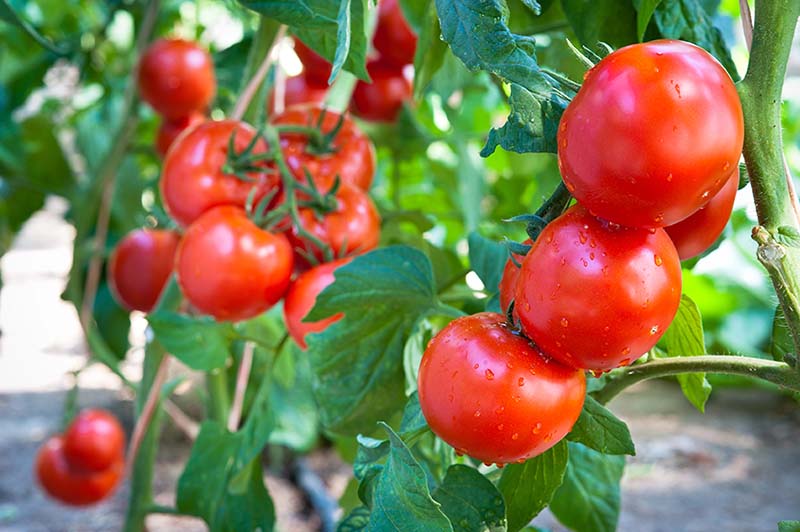
There are 2 varieties of tomatoes that is important to know. Indeterminate and Determinate. Indeterminate tomatoes have continuous growth and fruit production throughout the season, whereas determinate tomatoes cease growth and yield all their fruit in a single harvest.
Ease of Growing from Seed:
Fairly easy once seed sprouts, but you must keep up on watching for pests or disease.
Plant Maintenance:
Medium
Frost Hardy:
Tomatoes are Frost Susceptible (When temperatures drop below 30°F for five to ten minutes or when temps remain in the 31 to 32°F. range for several hours, it will most likely kill the plant.)
Common Pests:
Aphids, Flea beetles, Tomato hornworms, Spider mites
Pruning Tips:
Remove Indeterminate suckers by pinching them off or use a pair of clean, sharp pruners. Remove any flowers present at planting time. To enhance air circulation and reduce the risk of disease, it's best to trim off the leaves from the bottom 12" of the plant. Do not prune determinate varieties.
Growing Tips:
Tomatoes need consistent moisture. Water deeply once or twice a week. Tomatoes need some sort of support as they grow. See the video below with 3 options. Remove lower leaves to prevent fungal diseases and increase air circulation. Regularly inspect your plants for signs of disease like yellowing leaves, black spots, or powdery mildew. These could be signs of common pests like hornworms, aphids, and whiteflies.
Fertilizing:
Fertilize once a month
Growing
Tomatoes
Plant Type:
Annual
Sprouts in:
7-14 Days
Days to Maturity:
Depends on the variety
Sun Exposure:
Full Sun
Plant Zone:
3-10
Ideal Temperature:
75-95°F
Soil Ph:
6.0 to 7.0
Planting Depth:
Between 1/8" and 1/4"
Planting Space:
18-24"
Plant Height:
Determinate: 3-5', Indeterminate: 6-12'
When To Plant:
6-8 weeks before the last frost
Bee Pollinator
Container Friendly
Start Seeds Indoors
Plant Maintenance: Medium
Seeds & Companion Plants

Ease of Growing from Seed: Fairly easy once seed sprouts, but you must keep up on watching for pests or disease.
Seeds can be saved. How To Save Seeds: Select the most beautiful and vibrant tomatoes from your top-performing plants. Place seeds in a jar, ferment, strain, then dry. Here is a beginners guide on saving seeds.
Planting Veggie Companions:
Beans
Garlic
Carrots
Asparagus
Planting Herb Companions:
Basil
Oregano
Borage
Dill
Other Planting Companions: Nasturtiums
Bad Planting Companions: Corn, Potatoes, Fennel, Brassicas (cabbage, cauliflower, broccoli, Brussels sprouts)
More Detail on Companions:
Basil could deter thrips and tomato hornworms
Oregano will attract lots of beneficial insects and pollinators
Borage deters the tomato hornworm
Beans can fix nitrogen in the soil

Harvesting & Preserving
Pruning Tips: Remove Indeterminate suckers by pinching them off or use a pair of clean, sharp pruners. Remove any flowers present at planting time. To enhance air circulation and reduce the risk of disease, it's best to trim off the leaves from the bottom 12" of the plant. Do not prune determinate varieties.
When to Harvest: A few ways to tell if its ripe and ready to be picked. Days, color, feel, fragrance, and ease of picking. Watch the days to maturity from transplanting. Usually between 55 and 85. Check the seed package for that info. A ripe tomato should feel not fully firm when gently squeezed. The scent of tomatoes intensifies as they ripen. One way to determine if a tomato is ripe is by observing how effortlessly it detaches from the vine.
Harvesting Tips: Consistently harvest to stimulate the plant's fruit-bearing capacity.
**When foraging for wild herbs, be sure to pay attention to where you are getting it from. Be cautious about harvesting plants grown in potentially contaminated areas like roadsides, driveways, unfamiliar terrain, and areas that may have been sprayed with herbicides.
Ways of Preserving Tomatoes:
Drying, Freezing, Pressure Canning, Water Bath Canning
Pets & Tomatoes
Tomatoes Videos
3 DIY Tomato Trellis Ideas
Two Ways To Plant Tall Leggy Tomato Plants