Jalapenos

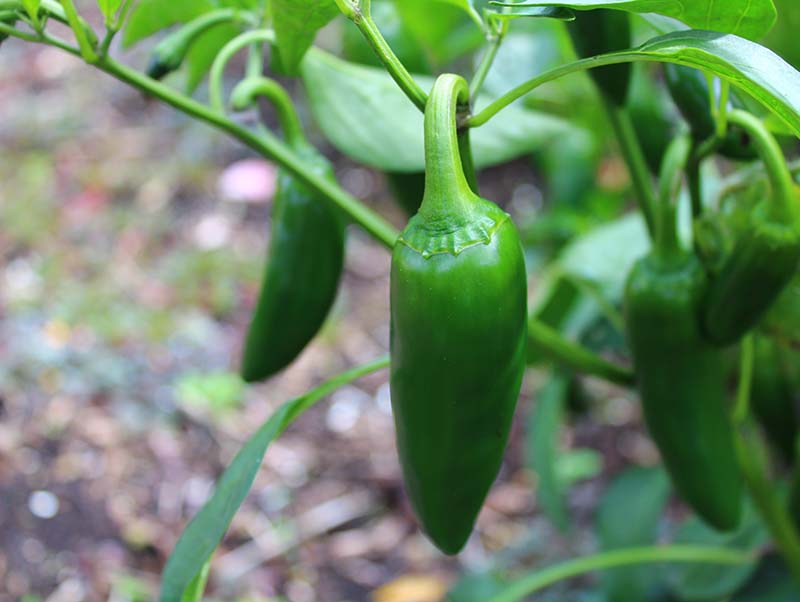
In the United States, jalapenos reign as the top choice among chile peppers. The spiciness of these peppers can differ, even when they come from the same plant. A rapid growth rate, ample water supply, and early harvesting can result in milder jalapenos compared to those that mature slowly under challenging conditions or remain on the plant for an extended period. If you're growing many peppers I recommend you follow the Pepper Geeks for tips on growing your jalapenos. They have been growing peppers for over 10 years.
Ease of Growing from Seed:
Fairly easy once seed sprouts
Plant Maintenance:
Low
Frost Hardy:
Jalapenos are Frost Susceptible (When temperatures drop below 30°F for five to ten minutes or when temps remain in the 31 to 32°F. range for several hours, it will most likely kill the plant.)
Common Pests:
Pepper Weevils, Pepper Hornworms, Aphids (Treat And Prevent, Flea Beetles, Spider Mites, and Thrips
Common Problems:
Bacterial leaf spot, Mosaic virus, Blight, Damping off disease, Verticillium wilt, Pests, Blossom end rot, Yellowing leaves, Curling leaves
Pruning Tips:
Remove any dead leaves and branches that are in contact with the ground. Trimming the lower part of your plant (approximately six to eight inches) promotes improved air circulation, prevents foliage from attracting pests such as slugs, and reduces the risk of soil-borne diseases.
Growing Tips:
If your seedlings begin to lean, adjust the position of the grow light to bring it nearer to the top of your seedlings.
If your seedlings begin to wilt, it could indicate that the light is positioned too close.
Start transplanting the pepper seedlings to a bigger container once they have developed a minimum of four leaves and have reached a height of approximately 2 inches.
Continue potting up your seedlings at least a couple of times while indoors.
Acclimating pepper plants, also known as hardening off, involves getting the plants ready for outdoor conditions such as sun exposure and temperature changes that they have not previously encountered. This process is essential for every Jalapeno plant growing outside, as neglecting it can harm your plants.
If growing in containers, use least a 5-gallon container
Fertilizing:
Young jalapenos in their early stages require a fertilizer rich in nitrogen to promote leafy development, whereas mature plants that are flowering and fruiting benefit from a fertilizer with lower nitrogen content and higher levels of phosphorous and potassium. Soaking Banana peels in water over night then watering plants next day with that water is a great way to provide potassium.
Jalapeno plants need calcium to produce well, so make sure to provide them with a source of calcium, such as crushed eggshells
Growing
Jalapenos
Plant Type:
Annual
Sprouts in:
7-21 days
Days to Maturity:
65 to 85 days depending on variety
Sun Exposure:
Full Sun
Plant Zone:
2-9
Ideal Temperature:
70-95°F
Planting Depth:
1/4″
Planting Space:
14-18"
Plant Height:
Up to 3'
When To Plant:
6-8 weeks before the last frost
Bee Pollinator
Container Friendly
Start Seeds Indoors
Plant Maintenance: Low
Seeds & Companion Plants

Ease of Growing from Seed: Fairly easy once seed sprouts
Seeds can be saved. How To Save Seeds: Scrape out the seeds of a fully ripened jalapeno (will have transitioned from a glossy green color to red, and will exhibit a slightly shriveled and wrinkled appearance) and lay them out in a single layer on a paper towel. Place the paper towel in a warm, dry place, away from bright light for two to three days so the seeds can dry. For more detail check out the Pepper Geeks article
Planting Veggie Companions:
Tomatoes
Garlic
Asparagus
Carrots
Planting Herb Companions:
German Chamomile
Basil
Rosemary
Cilantro
Sage
Bad Planting Companions: Beans, Peas, Cabbage, Cauliflower, Kale, Kohlrabi, Broccoli, Brussels sprouts
More Detail on Companions:
- Basil improves the flavor of all pepper varieties.
- Chamomile and marigolds are beneficial companion plants for jalapenos as they release a natural chemical into the soil that repels harmful nematodes and eelworms, protecting the pepper plants' health.
- Alyssum - Attract beneficial insects

Harvesting & Preserving
Pruning Tips: Remove any dead leaves and branches that are in contact with the ground. Trimming the lower part of your plant (approximately six to eight inches) promotes improved air circulation, prevents foliage from attracting pests such as slugs, and reduces the risk of soil-borne diseases.
When to Harvest: Harvest jalapenos based on the type of pepper plant. If it's a red or yellow variety, harvest it once it turns that color.
If it's a green jalapeno variety, approximate it to the mature date on the seed packet. Also pay attention to the mature size. Once it reaches at size, harvest it about a week later. See Pepper Geek video down in videos section.
Harvesting Tips: Certain types of Jalapenos exhibit stretch marks called "corking" as they mature. These peppers boast a heightened Jalapeno taste and spiciness.
**When foraging for wild herbs, be sure to pay attention to where you are getting it from. Be cautious about harvesting plants grown in potentially contaminated areas like roadsides, driveways, unfamiliar terrain, and areas that may have been sprayed with herbicides.
Ways of Preserving Jalapenos:
Drying, Fermenting, Freezing, Pressure Canning
Pets & Jalapenos
Cautions when using Jalapenos with pets:
Consuming jalapenos can lead to stomach discomfort, bloating, diarrhea, unpleasant gas odor, and may cause dogs to exhibit signs of dehydration or increased thirst.
Jalapenos Videos
How To Grow Jalapeño Peppers From Seed To Harvest
When To Harvest Jalapeño Peppers
Make Peppers Grow Faster!
Managing Aphids In The Garden