Cabbage

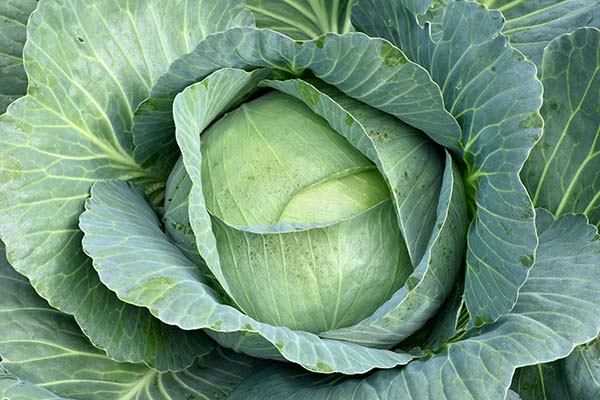
Cabbage is a biennial plant that produces dense-leaved heads and is cultivated as an annual vegetable crop in various colors such as green, red, or white. Cabbage, a descendant of wild cabbage and part of the cole crops family like broccoli, cauliflower, Brussels sprouts, and Savoy cabbage, is a versatile vegetable with numerous culinary uses. Whether cooked, pickled, or incorporated into skincare routines, cabbage provides various health benefits due to its abundance of vitamins, minerals, and fiber. It is also thought to possess anti-inflammatory and antioxidant qualities that contribute to overall well-being.
Ease of Growing from Seed:
Fairly easy once seed sprouts. But you have to stay on top of cabbage worms.
Plant Maintenance:
Medium
Frost Hardy:
Cabbage are Freeze Tolerant (Vegetables that can endure freezing temperatures between 26°F and 28°F. They are the champions of cold resilience.)
Common Pests:
Cabbage worms and cabbage loopers
Common Problems:
Fungal diseases such as clubroot, downy mildew, and black rot, can affect cabbage.
Pruning Tips:
The only pruning cabbage should need is removing broken or withering leaves to hinder pests and diseases from infesting or infecting the plant. Try to maintain enough to keep the cabbage head protected.
Growing Tips:
Cabbage prefers well-draining rich soil. Handpick caterpillars each morning and night.
Last season as soon as I started noticing evidence of cabbage worms, I sprayed them one time with Plantonix Organic Neem Oil. After that, my cabbage started doing good again with no signs of new worms. I purchased a couple sprayers. The sprayer made it super easy to spray the entire plant.
Fertilizing:
Fertilize two weeks after transplanting and again a month later. Start with a well-rounded fertilizer such as a 10-10-10 blend (nitrogen-phosphorus-potassium). You can also use fish emulsion, compost extract, or compost tea as an alternative. Both liquid and slow-release fertilizers are suitable options, with the latter being our recommended selection. After a month or so after that initial fertilizing, add a nitrogen-rich fertilizer.
Growing
Cabbage
Plant Type:
Perennial
Sprouts in:
4 to 10 days
Sun Exposure:
Full Sun to Partial Shade
Plant Zone:
2-11
Ideal Temperature:
Under 80°F it will begin to wither or bolt in the heat.
Planting Depth:
1/4"
Planting Space:
1-2'
Plant Height:
1-2'
When To Plant:
Sow cabbage seeds indoors 8 weeks before the last spring frost for a spring crop and 14 weeks before the first fall frost.
Bee Pollinator
Container Friendly
Start Seeds Indoors
Plant Maintenance: Medium
Seeds & Companion Plants

Ease of Growing from Seed: Fairly easy once seed sprouts. But you have to stay on top of cabbage worms.
Seeds can be saved. How To Save Seeds: Here's a great website with how to save cabbage seeds
Planting Veggie Companions:
Beans
Celery
Onions
Peas
Potatoes
Planting Herb Companions:
Borage
German Chamomile
Cilantro
Dill
Rosemary
Yarrow
Other Planting Companions: Plant onions, radishes, and nasturtiums near cabbage to help deter pests.
Bad Planting Companions: Garlic, Lettuce, Tomatoes, Rue
More Detail on Companions:
Pole beans can provide shade from the heat of the sun.
Beets contribute essential minerals to the soil.
Buckwheat attracts several beneficial insects, including parasitic wasps that have the potential to kill cabbage worms.
Celery can help to repel damaging insects.
Onions repel pests that attack cabbages.
Borage repel both cabbage worms, and tomato worms, as it attracts beneficial insects.
Chamomile repels cabbage moths.
Cilantro repels certain cabbage-loving insects.
Dill helps to repel cabbage moths, worms and loopers.
Hyssop flowers attract both Bees and butterflies and repel cabbage butterflies and cabbage moth larvae.
Merigolds repel cabbage worms.
Nasturtiums deter insects of the cabbage family.
Rosemary helps repel cabbage loopers.
Thyme helps deters cabbage worms.
Yarrow attracts loads of beneficial insects.

Harvesting & Preserving
Pruning Tips: The only pruning cabbage should need is removing broken or withering leaves to hinder pests and diseases from infesting or infecting the plant. Try to maintain enough to keep the cabbage head protected.
When to Harvest: When the head is consistently firm and the leaves are tightly curled, it is time to harvest. If there is any softness or the leaves are loose, it requires more time to fully mature.
Harvesting Tips: They are ready to be harvested once the heads are fully formed and firm.
**When foraging for wild herbs, be sure to pay attention to where you are getting it from. Be cautious about harvesting plants grown in potentially contaminated areas like roadsides, driveways, unfamiliar terrain, and areas that may have been sprayed with herbicides.
Ways of Preserving Cabbage:
Fermenting, Freezing, Pressure Canning