Asparagus

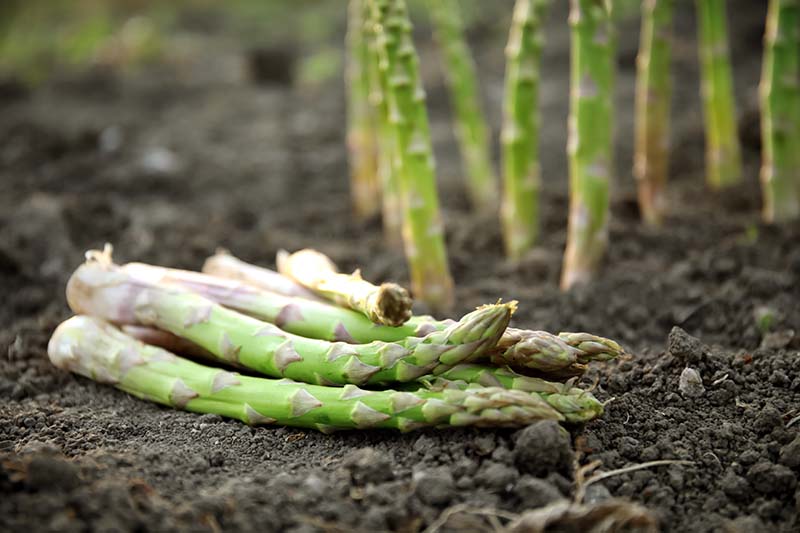
Asparagus provides a good source of fiber, vitamin C and folate. It is also an excellent source of vitamin K, a nutrient for blood clotting and healthy bones. It can take 2 to 3 years to start and produce.
Ease of Growing from Seed:
Fairly easy once seed sprouts
Plant Maintenance:
Low
Mistakes:
Harvesting too soon.
Frost Hardy:
Asparagus are Freeze Tolerant (Vegetables that can endure freezing temperatures between 26°F and 28°F. They are the champions of cold resilience.)
Common Pests:
The asparagus beetle is the most troublesome pest, slugs/snails, cutworms
Common Problems:
Fusarium crown rot, Asparagus rust
Pruning Tips:
Every year, it is necessary to trim asparagus plants down to the soil level before the fresh growth begins.
Growing Tips:
Potted asparagus plants usually yield harvests for just 2 seasons, while in-ground asparagus plants have the potential to produce for 15-20 years.
Fertilizing:
Fertilize asparagus is in the late winter or early spring, before new growth begins to emerge.
Growing
Asparagus
Plant Type:
Perennial
Sprouts in:
2 - 4 weeks
Days to Maturity:
up to three years
Sun Exposure:
Full sun
Plant Zone:
3-10
Ideal Temperature:
70 to 85°F
Soil Ph:
between 6.5 to 7.0
Planting Depth:
1/2"
Planting Space:
12 to 18"
Plant Height:
4'
When To Plant:
10 to 12 weeks before last frost
Bee Pollinator
Container Friendly
Start Seeds Indoors
Deer Resistant
Plant Maintenance: Low
Drought Tolerant
Seeds & Companion Plants

Ease of Growing from Seed: Fairly easy once seed sprouts
Seeds can be saved. How To Save Seeds: To preserve asparagus seeds, collect the red berries in autumn once they have ripened. After drying the berries for a week or two, delicately crack open the seed pods to retrieve the seeds.
Planting Veggie Companions:
Peas
Tomatoes
Lettuce
Planting Herb Companions:
Comfrey
Basil
Dill
Parsley
Cilantro
Other Planting Companions: Nasturtium
Bad Planting Companions: Beans, Potatoes, Onions, Garlic
More Detail on Companions:
Marigolds and nasturtiums: their bright colors and strong scents deter repels asparagus beetles.
Basils: strong aroma can repel asparagus beetles.
Tomatoes: is a natural deterrent to the asparagus beetle & asparagus plants can ward off nematodes.
Parsley and Dill: attract parasitic wasps and ladybugs which feed on asparagus beetles

Harvesting & Preserving
Pruning Tips: Every year, it is necessary to trim asparagus plants down to the soil level before the fresh growth begins.
When to Harvest: To harvest asparagus, trim the spears at their base as soon as they appear in the spring, before any buds on the tips start to bloom. Harvest when the spears are 6 to 10 inches tall and roughly the size of your index finger. Use a sharp knife or gardening shears. Keep harvesting asparagus for a period of six to eight weeks, ensuring that you finish by July 1st at the latest.
Harvesting Tips: During the initial couple of seasons, it is essential to refrain from harvesting asparagus in order to allow the plants to establish themselves properly. Asparagus beds have the potential to remain productive for 15, 20, or even 30 years, making them a valuable long-term investment of both time and energy.
**When foraging for wild herbs, be sure to pay attention to where you are getting it from. Be cautious about harvesting plants grown in potentially contaminated areas like roadsides, driveways, unfamiliar terrain, and areas that may have been sprayed with herbicides.
Ways of Preserving Asparagus:
Drying, Fermenting, Freezing, Pressure Canning
Pets & Asparagus
Benefits for Dogs: It can provide vitamins like K, A, and B-complex.
If ingested: It should be safe for dogs, but best to check with your vet or professional for safe dosage
Cautions when using Asparagus with pets:
It’s best to avoid raw asparagus as it can be a choking hazard for dogs or cause intestinal blockages or vomiting if not digested properly. Cooked asparagus is safe for dogs to consume in moderation.
Asparagus Videos
How to Grow Asparagus Pt. 1
You’re Killing Your Asparagus if You Do This
Pressure Canning Asparagus
How to Preserve Asparagus at Home