German Chamomile

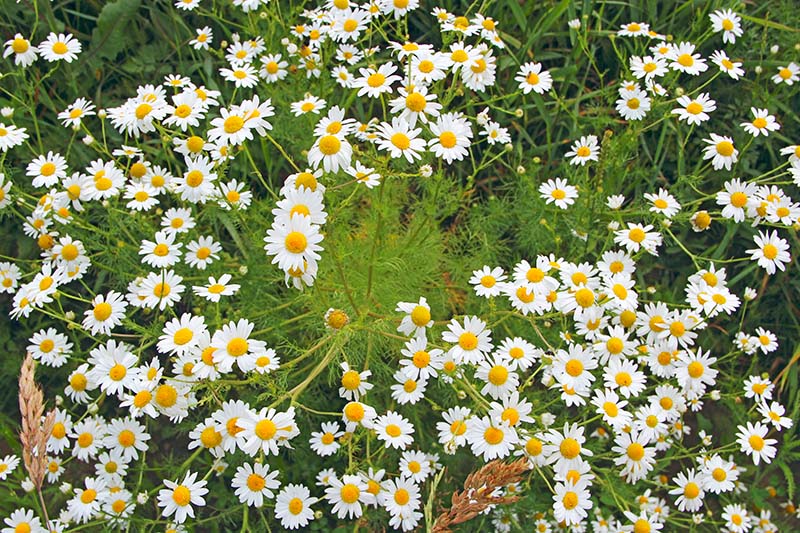
Botanical Name: Matricaria recutita
The herb known as German chamomile is widely embraced globally for its medicinal properties. Compounds found in German chamomile appear to have properties that support relaxation and diminish inflammation. Make sure you don't mix up German chamomile with Roman chamomile, as they are different plants.
Benefits & Uses of German Chamomile: Allergy, Anti-Inflammatory, Asthma, Bites or Stings, Digestion, Eyes, Indigestion, Morning Sickness, Relaxant
Parts used of German Chamomile: Flower Heads
Parts Best used: Dried or Fresh
Ways to Prepare German Chamomile: Essential Oil, Infused Oil, Infusion, Tea, Tincture
Bodycare Uses: Cream, Lotion, Ointment, Salve
Culinary Uses: The flowers and leaves can be used in salads or in baked goods, such as cakes, cookies, and muffins.

Growing
German Chamomile
Plant Type:
Annual
Sprouts in:
7-14 Days
Days to Maturity:
60-90 days
Sun Exposure:
6-12 hours of Sun
Plant Zone:
5-8
Ideal Temperature:
68-85 Degrees F
Soil Ph:
Prefers neutral to slightly alkaline soil pH, ranging from 5.6 to 7.5
Planting Depth:
Surface Sow
Planting Space:
8"
Plant Height:
18”-24”
When To Plant:
Sow indoors 3-4 weeks before your last frost
Bee Pollinator
Container Friendly
Start Seeds Indoors
Deer Resistant
Pest Repellant
Plant Maintenance: Low
Frost Hardy: German Chamomile are Freeze Tolerant (Vegetables that can endure freezing temperatures between 26°F and 28°F. They are the champions of cold resilience.)
When to plant outdoors: In spring and early summer, after acclimating to outdoor conditions, young chamomile seedlings are ready to be transplanted into the garden.
Easiest To Grow From: Either Seed or Plant
Common Pests: Aphids, thrips, and mealybugs
Common Problems: Overwatering is a common issue
Growing Tips: Chamomile is an annual that will self seed if you leave some flowers on the plant to dry and produce seeds. You will most likely have some chamomile come up the following spring. I have several plants sprouting up now from leaving some flowers on the plants last season. You can also harvest some of those seeds to save for planting next season.
Fertilizing: Chamomile does not need fertilizer.
Seeds & Companion Plants
Ease of Growing from Seed: Fairly easy once seed sprouts
Seeds can be saved. How To Save Seeds: Leave some of the chamomile flower heads on the plant until they turn brown and dry, usually 2-3 weeks after blooming. Take off the dried flower heads and lay them out in a sheltered area for further drying. Avoid direct sunlight to prevent seeds from spoiling. Once fully dry, separate the seeds by gently rubbing or brushing the heads. Store the seeds in a cool, dry place for up to 3-4 years.
Planting Veggie Companions:
Beans
Cabbage
Cucumbers
Planting Herb Companions:
Basil
Rosemary
Oregano
Thyme
Other Planting Companions: Cauliflower
Bad Planting Companions: Fennel, Dill
More Detail on Companions:
The companionship of German chamomile with herbs such as basil, rosemary, lavender, sage, thyme, oregano, and mint is mutually beneficial. The chamomile's natural pest-repelling qualities and ability to attract helpful insects enhance the growth of these plants.

Harvesting & Preserving
Pruning Tips: To prevent Chamomile from becoming too tall and thin, trim the stems by about 4 inches from the base following the initial flower harvest. This practice promotes fresh growth and increases flower yield.
When to Harvest: Usually starting in mid-July you can start harvesting the flower heads. Its best to harvest in the morning after any dew is gone and before the midday sun.
Harvesting Tips: Harvest the flowers only. Chamomile flowers are ready to harvest when they are at full bloom, ideally while their blossoms are at their fullest. The blossoms will continue to grow if you continue to harvest. If you stop harvesting and the flowers go to seeds, it will stop producing new flowers.
I love this tool for harvesting all the flower heads. It does a great job. Chamomile Harvesting Tool
If you'd like for German Chamomile to come up year after year, leave some of the flowers in your garden to dry and self-seed.
**When foraging for wild herbs, be sure to pay attention to where you are getting it from. Be cautious about harvesting plants grown in potentially contaminated areas like roadsides, driveways, unfamiliar terrain, and areas that may have been sprayed with herbicides.
Pets & German Chamomile
**Before administering any supplements to your dog, you should seek advice from a veterinarian**