Burdock
Botanical Name: Arctium lappa
Parts used of Burdock: Great Burdock, Common Burdock
Purchase through Starwest-Botanicals: CLICK HERE (*Affiliate Link*)
Burdock serves many purposes, including detoxifying the body, treating skin ailments, acting as a liver tonic, and alleviating premenstrual symptoms. To utilize it for wound care, steam the leaves lightly and use them as a poultice to help extract infections from cuts and skin injuries.
Benefits & Uses of Burdock: Acne, Anti-Inflammatory, Cold / Flu, Cough, Detox, Digestion, Diuretic, Eczema, Liver, Skin
Key Constituents: Bitter glycosides, Flavonoids, Tannins, Polyacetylenes, Volatile oil, Inulin, Lignans
Key Actions: Antiseptic, Detoxifying remedy, Diuretic, Tonic, Antibiotic, Anti-Inflammatory
Parts used of Burdock: Roots, Leaves, Fruit, Seeds
Parts Best used: Dried or Fresh
Ways to Prepare Burdock: Decoction, Infusion, Powder, Poultice, Tablets, Tea, Tincture
Bodycare Uses: Cream, Lotion
Culinary Uses: Eat the young leaves like spinach. The roots can be boiled, roasted, or fried and is used in many recipes.
Safety & Contraindications: No known precautions. It is advisable to seek guidance from a licensed healthcare professional prior to using herbal remedies, especially if you are pregnant, breastfeeding, or taking any medications.
Herbal Combinations: Dandelion
Recipes in Books:
Herbal Revolutions, Kathi Langelier: Daily Mover Decoction p.45, Eat Your Weeds Dandelion + Burdock Fries p.54, Healing Support Tincture + Infusion for a Miscarriage or Abortion, p.96, Herbal Hair Rinse p.167, Iron Maiden Syrup p.100, Lionhearted Tincture p.119, Love your Liver Elixir p.49, Love your Lymph Tincture +Tea p.78, Medicinal Mushroom Soup Stock p.69, PMS Support Tincture p.88, Roasted Roots Dark Coffee Brew p.24, Spiced Orange Bitters p.50, Spring Digestive Vinegar p.57.

Growing
Burdock
Plant Type:
Biennial
Sprouts in:
2 weeks
Sun Exposure:
Full Sun
Plant Zone:
2-10
Ideal Temperature:
65-85 F
Soil Ph:
Neutral pH between 6.6-7.5
Planting Depth:
1/2"
Planting Space:
6-8" between plants & 24-36" between rows
Plant Height:
2-9'
Bee Pollinator
Container Friendly
Plant Maintenance: Low
Drought Tolerant
Frost Hardy: Burdock are Freeze Tolerant (Vegetables that can endure freezing temperatures between 26°F and 28°F. They are the champions of cold resilience.)
When to plant outdoors: Plant in spring when the risk of frost has passed
Easiest To Grow From: Seed
Common Pests: Four Lined Plant Bug, slugs, aphids, mites
Common Problems: Burdock is pretty hardy
Growing Tips: One difficulty in growing burdock is controlling it from spreading. One effective method is to trim the burs before they develop. Or consider planting burdock in a spot where you don't mind it spreading and reseeding itself. This way, you won’t need to worry about gathering seeds later on.
Fertilizing: It's not necessary to fertilize Burdock.
Seeds & Companion Plants
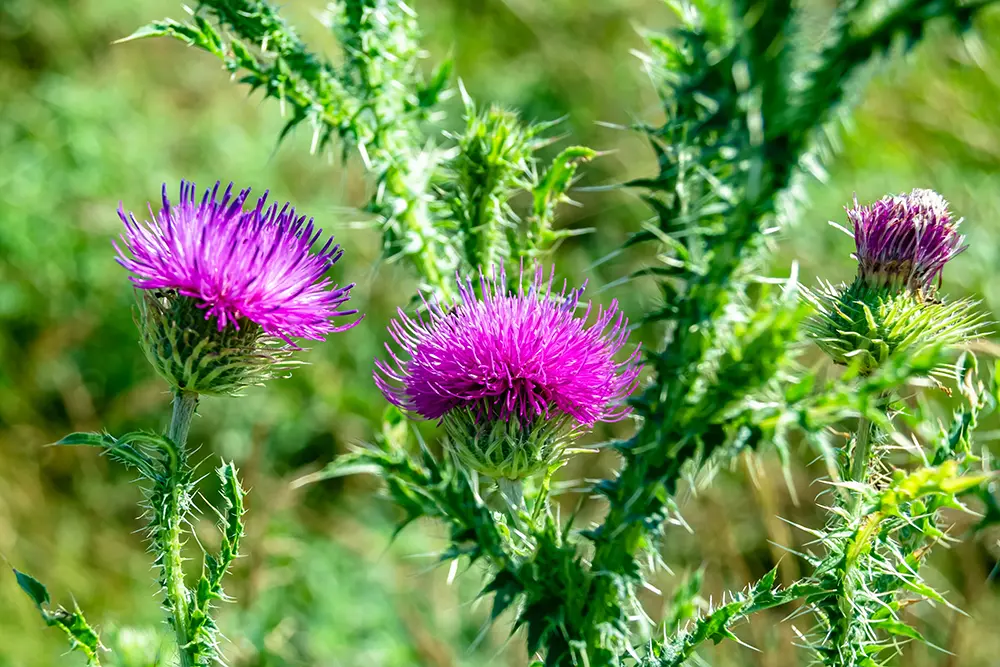
Seeds can be saved. How To Save Seeds: Burdock has thistle-like flowers that eventually develop into sticky burrs. Be cautious, as these burrs can cling to your hair and clothing. It's advisable to wear gloves and gently open the burrs to access the seeds inside. Remove the seeds from the prickly outer layer and dry.
Planting Veggie Companions:
Asparagus
Beans
Peas
Other Planting Companions: Squash
Bad Planting Companions: Onions, Radish, Potatoes, Carrots

Harvesting & Preserving
Pruning Tips: To prevent the plant from self-seeding, cut off the flowers before they have a chance to dry and disperse their seeds.
When to Harvest: Roots should be harvested in late autumn of the plant's initial year through early spring. If you don't harvest the roots in the first year it will focus its energy on the flowers, resulting in tougher and more bitter roots so it's best to harvest it in it's first year.
**When foraging for wild herbs, be sure to pay attention to where you are getting it from. Be cautious about harvesting plants grown in potentially contaminated areas like roadsides, driveways, unfamiliar terrain, and areas that may have been sprayed with herbicides.
Pets & Burdock
Benefits for Dogs: Burdock is recognized for its ability to support liver health, making it a great supplement for senior dogs that may require enhanced liver function. By improving liver efficiency, it can aid your dog in battling infections by facilitating the removal of toxins and waste from the body. Burdock root may enhance skin conditions like psoriasis by positively affecting liver function. By aiding in the removal of waste from the liver, this supplement boosts the skin's capacity to detoxify. Additionally, it can benefit various skin issues, including mange, eczema, and inflammatory skin disorders linked to toxins in the body.
If ingested: It should be safe for dogs, but best to check with your vet or professional for safe dosage
Burdock Videos
Benefits & Uses of Burdock
Growing Burdock plants in containers