Valerian

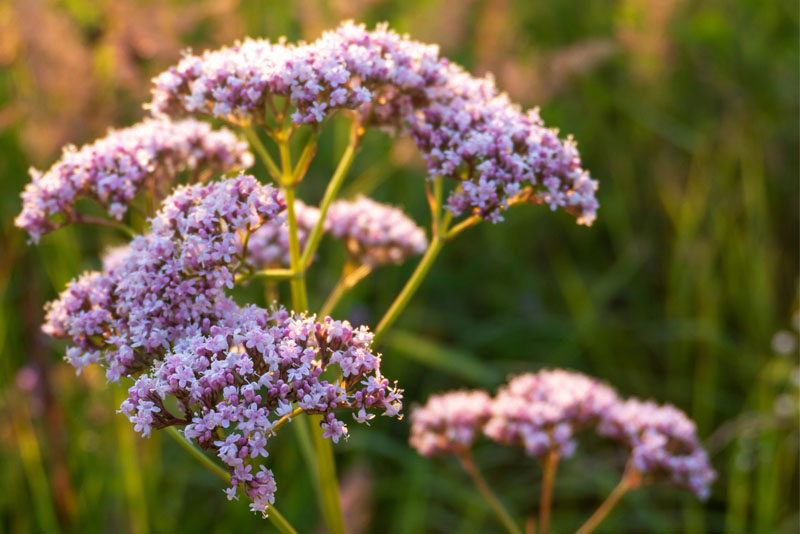
Botanical Name: Valeriana officinalis
Benefits & Uses of Valerian: Anxiety, Blood Pressure, Depression, Digestion, Head Ache, Nervine, Panic Attacks, Relaxant, Sedative, Stress
Key Constituents: Volatile oil, Iridoids, Alkaloids
Key Actions: Sedative, Relaxant, Relieves muscle spasms, Relieves anxiety, Lowers blood pressure
Parts used of Valerian: Roots
Parts Best used: Dried or Fresh
Ways to Prepare Valerian: Decoction, Powder, Tablets, Tea, Tincture

Growing
Valerian
Plant Type:
Perennial
Sprouts in:
7-14 days
Sun Exposure:
Full Sun, Partial Shade, Shade
Plant Zone:
4-7
Ideal Temperature:
60-70 degrees F
Soil Ph:
5.5 - 7.5
Planting Depth:
1/4"
Planting Space:
12-15"
Plant Height:
3-5'
Bee Pollinator
Container Friendly
Start Seeds Indoors
Deer Resistant
Plant Maintenance: Low
Frost Hardy: Valerian are Freeze Tolerant (Vegetables that can endure freezing temperatures between 26°F and 28°F. They are the champions of cold resilience.)
When to plant outdoors: After last frost.
Easiest To Grow From: Seed or Dividing Roots
Common Pests: Valerian doesn't have many problems with insects or diseases.
Growing Tips: If you're wanting to harvest the roots and keep growing Valerian the following year, you may want to allow it to self-seed some for some new plants to come up the following year. It can be grown in containers, but make sure it's large enough for the roots to grow for harvesting, 5 gallons or more.
Fertilizing: Valerian doesn’t need fertilizer.
Seeds & Companion Plants
Ease of Growing from Seed: Easy to grow from seed
Seeds can be saved. How To Save Seeds: Valerian seeds are ready to be harvested when the seedpods to turn a light brown color. Use scissors or pruning shears to cut off the seedpods and collect the seeds. On dry days you can try shaking the seedpods into a container. Make sure they don't have any mold.
Seeds benefit from Cold Stratification for: 2 weeks before planting seeds indoors or plant seeds outside in the fall or winter for stratification for the spring.
Planting Herb Companions:
German Chamomile
Bee Balm
Other Planting Companions: Mint

Harvesting & Preserving
Pruning Tips: To keep Valerian from spreading, cut off the flower heads after they bloom and before they disperse seeds. It will self-seed if it's not pruned. Cut the old stems and foliage to the ground in fall or early spring.
When to Harvest: The roots are usually harvested after the second year.
Harvesting Tips: After you harvest the roots, wash them and allow them to dry in a warm area. You may want to store them outside to dry as they smell.
**When foraging for wild herbs, be sure to pay attention to where you are getting it from. Be cautious about harvesting plants grown in potentially contaminated areas like roadsides, driveways, unfamiliar terrain, and areas that may have been sprayed with herbicides.
Pets & Valerian
**Before administering any supplements to your dog, you should seek advice from a veterinarian**
Valerian Videos
Benefits of Valerian
Valerian Growing with Herbalist Ross Hennessy