Hops

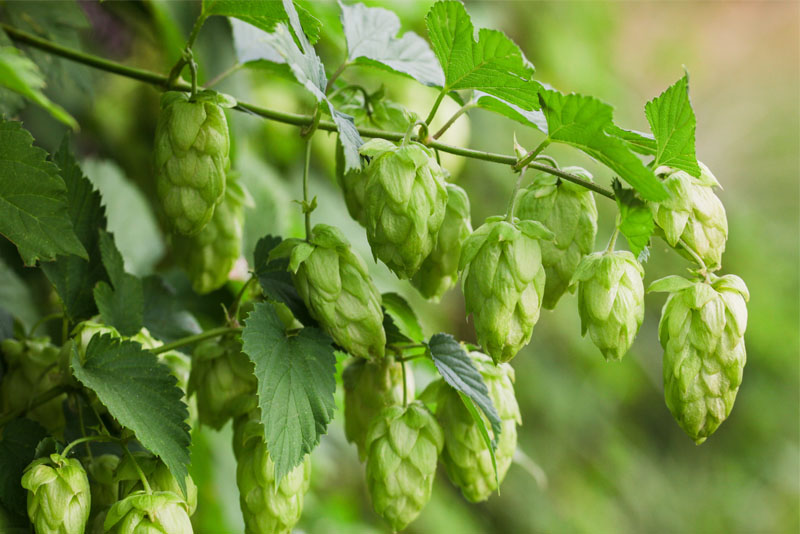
Botanical Name: Humulus lupulus
Benefits & Uses of Hops: Digestion, Sedative, Sleep, Tension
Key Constituents: Bitter principles, volatile oil, flavonoids, polyphenolic tannins, estrogenic substances
Key Actions: Bitter tonic, estrogenic, sedative, soporific, antispasmodic, aromatic bitter
Parts used of Hops: Strobiles
Parts Best used: Dried or Fresh
Ways to Prepare Hops: Capsules, Infusion, Tablets, Tea, Tincture
Bodycare Uses: Bath Salt, Cream, Foot Soak, Sleep Pillow
Culinary Uses: Is an antibacterial benefit that keeps beer fresher for longer, which is a big part of why hops-brewed beer with hops is the most widely popular application of the plant.

Growing
Hops
Plant Type:
Perennial
Sprouts in:
7-21 days
Sun Exposure:
Sun, Partial Shade
Plant Zone:
4-8
Planting Space:
6-8'
Plant Height:
8'
Plant Maintenance: Low
When to plant outdoors: Plant in spring after the last frost
Easiest To Grow From: Seed
Growing Tips: Strong trellis system required. Needs a minimum of 120 frost-free days to flower and produce a good crop. During the first year, the plant is establishing its root system, and only a few flowers are produced. In the second year, the plant will produce a normal crop of hops.
Seeds & Companion Plants
Seeds benefit from Cold Stratification for: 3-6 months, then soak overnight in warm water

Harvesting & Preserving
Pruning Tips: pruning starts very soon after the plant emerges from the soil. Once they’re between 1 and 2 feet (31-61 cm.) in length, pick three or four of the healthiest vines to keep. Cut all the rest back to the ground. Train the ones you’ve kept to climb up hanging strings or wires leading to an overhead trellis. Pruning needs to be kept up throughout the summer if you want your vines to be healthy. Hops are fast growing and tangle easily and pruning strategically encourages air circulation and helps prevent disease, bugs, and mildew. In midsummer, once the vines are firmly attached to the trellis above, carefully remove the foliage from the bottom 2 or 3 feet (61-91 cm.).
**When foraging for wild herbs, be sure to pay attention to where you are getting it from. Be cautious about harvesting plants grown in potentially contaminated areas like roadsides, driveways, unfamiliar terrain, and areas that may have been sprayed with herbicides.
Pets & Hops
**Before administering any supplements to your dog, you should seek advice from a veterinarian**