Arnica

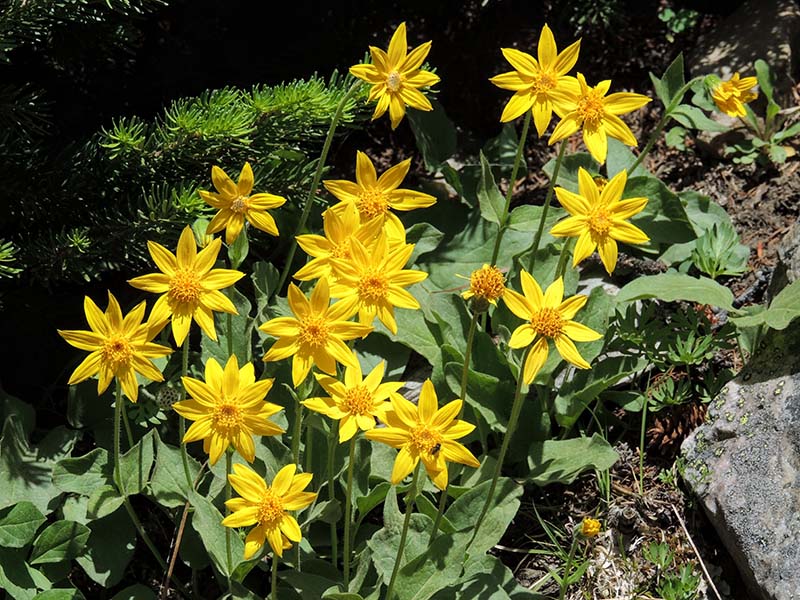
Botanical Name: Arnica Montana
Benefits & Uses of Arnica: Anti-Inflammatory, Wounds
Parts used of Arnica: Flower Heads, Roots, Aerial Parts
Ways to Prepare Arnica: Infused Oil, Tincture
Bodycare Uses: Cream, Ointment, Salve

Growing
Arnica
Plant Type:
Perennial
Sprouts in:
21 - 28 days
Sun Exposure:
Full Sun
Plant Zone:
4-9
Ideal Temperature:
68°F
Planting Depth:
1/4"
Planting Space:
1 to 2'
Plant Height:
20"
Container Friendly
Start Seeds Indoors
Deer Resistant
Plant Maintenance: Low
Easiest To Grow From: Seed
Seeds & Companion Plants
Seeds benefit from Cold Stratification for: 3 months
Planting Herb Companions:
Calendula
Echinacea
Other Planting Companions: Feverfew
More Detail on Companions:
Arnica's growth can inhibit most vegetables, therefore it is advisable to maintain a distance between it and your vegetable garden.

Harvesting & Preserving
Harvesting Tips: Remove dead flowers to encourage continued blooming throughout the season.
Harvest fresh flowers to create soothing salves and ointments that alleviate pain. Additionally, in autumn, Arnica root can be collected for crafting stronger pain-relief and anti-inflammatory remedies.
**When foraging for wild herbs, be sure to pay attention to where you are getting it from. Be cautious about harvesting plants grown in potentially contaminated areas like roadsides, driveways, unfamiliar terrain, and areas that may have been sprayed with herbicides.
Pets & Arnica
How Arnica can be used for pets: Here's a great article on using arnica with dogs on Your Old Dog has great info regarding Arnica
**Before administering any supplements to your dog, you should seek advice from a veterinarian**
Arnica Videos
Arnica Benefits (Arnica montana) + How to Make Arnica Cream for Bruises