Plantain Broadleaf

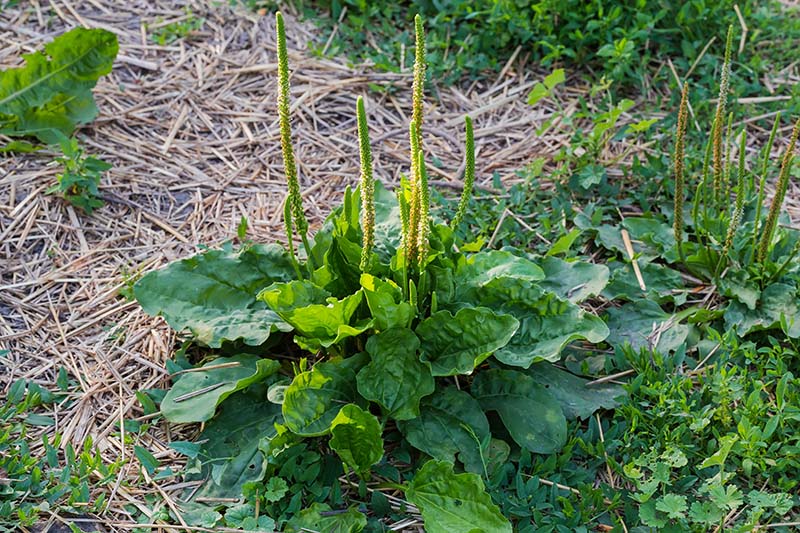
Botanical Name: Plantago major
It's good for drawing out slivers, for bug bites, stings and other skin irritations.
Here's a great link on how to use Plantain Leaf as medicine on Commonsensehome.com
Benefits & Uses of Plantain Broadleaf: Anti-Inflammatory, Fever, Respiratory, Skin, Urinary, Wounds
Parts used of Plantain Broadleaf: Roots, Leaves, Seeds
Parts Best used: Dried or Fresh
Ways to Prepare Plantain Broadleaf: Infused Oil, Tea, Tincture
Bodycare Uses: Salve
Culinary Uses: Young leaves are suitable for salads, while older leaves can be cooked by boiling and adding to stews or soups. The seeds can be added to salads for added crunch or employed as seasonings in soups, sauces, or stews.

Growing
Plantain Broadleaf
Plant Type:
Perennial
Sprouts in:
14-28 days
Sun Exposure:
Sun or Shade
Plant Zone:
3–10
Ideal Temperature:
40°F to 70°F
Soil Ph:
4.6–7.8 (acidic to slightly alkaline)
Planting Depth:
Surface Sow
Planting Space:
1'
Plant Height:
12"
When To Plant:
It’s recommended to plant in early spring, as soon as the soil can be worked or in the fall about 8-10 weeks before the first frost.
Container Friendly
Start Seeds Indoors
Plant Maintenance: Low
Drought Tolerant
Frost Hardy: Plantain Broadleaf is Frost Tolerant (Can survive several hours between down to 28°F as long as they have been acclimated to colder temperatures. Plants gradually exposed to decreasing temperatures for a prolonged period will undergo biological adjustments, enhancing their ability to endure colder weather compared to plants subjected to a sudden temperature plunge.)
Easiest To Grow From: Either Seed or Plant
Common Pests: There are no serious pests that will affect broadleaf plantain. Aphids, Buckeye Caterpillars, Flea Beetles are unlikely but possible.
Common Problems: There are no serious diseases that will affect broadleaf plantain. Powdery mildew can affect plantain.
Growing Tips: Plantain seeds can be sowed directly outside in the early spring.
Fertilizing: There's no need to feed broadleaf plantain.

Harvesting & Preserving
When to Harvest: The leaves can be harvested at any time during the growing season.
It's best to harvest the root in the fall. Pull up a plant and gather the roots.
Plantain seeds can be harvested when the heads are fully developed.
Harvesting Tips: Glide your fingers along the dried stems individually to delicately remove the seeds.
The inner leaves tend to be fresher. The outer ones, which are older, tend to be tougher.
**When foraging for wild herbs, be sure to pay attention to where you are getting it from. Be cautious about harvesting plants grown in potentially contaminated areas like roadsides, driveways, unfamiliar terrain, and areas that may have been sprayed with herbicides.
Pets & Plantain Broadleaf
**Before administering any supplements to your dog, you should seek advice from a veterinarian**