Comfrey

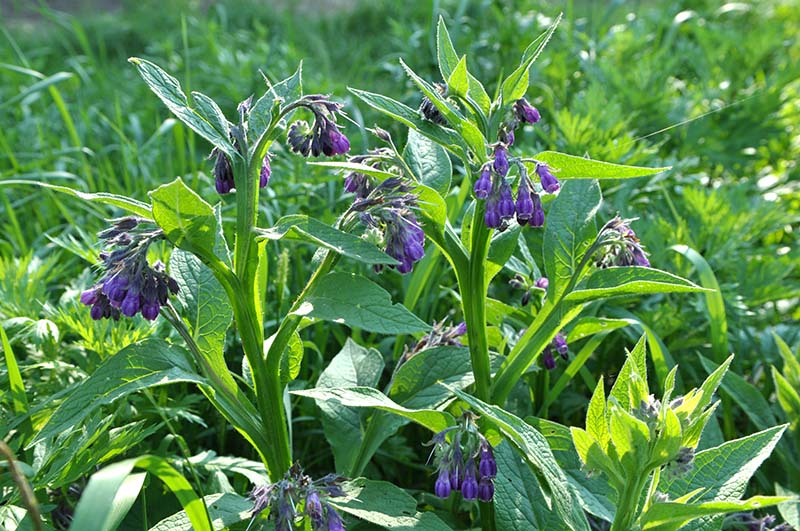
Botanical Name: Symphytum Officinale
Comfry is one of the best plant companions out there. It can make a great fertilizer for other plants due to its deep roots (6-10'). Because of their depth they extract nutrients from the subsoil, which is not often accessible by other plants. See the video below by Homesteading with the Zimmermans on how to make this fertilizer tea.
Benefits & Uses of Comfrey: Acne, Anti-Inflammatory, Wounds
Parts used of Comfrey: Flower Heads, Roots, Aerial Parts, Leaves
Parts Best used: Dried or Fresh
Ways to Prepare Comfrey: Infused Oil, Poultice, Tincture
Bodycare Uses: Lotion, Ointment, Salve
Culinary Uses: There's an ongoing debate concerning the safety of using comfrey internally. There are herbalists who caution using it as it contains pyrrolizidine alkaloids (PAs). Here's a good read by The Herbal Academy.

Growing
Comfrey
Plant Type:
Perennial
Sprouts in:
within 30 days
Days to Maturity:
60-90 days
Sun Exposure:
full sun to partial shade
Plant Zone:
4-8
Ideal Temperature:
60 - 70°F
Soil Ph:
6.0 - 7.0
Planting Depth:
1/4"
Planting Space:
36"
Plant Height:
2-3'
When To Plant:
If you're germinating the seeds indoors, let them mature for a couple of months before transplanting outdoors. Be sure to harden them before planting.
Bee Pollinator
Container Friendly
Start Seeds Indoors
Deer Resistant
Pest Repellant
Plant Maintenance: Low
Drought Tolerant
Frost Hardy: Comfrey are Freeze Tolerant (Vegetables that can endure freezing temperatures between 26°F and 28°F. They are the champions of cold resilience.)
When to plant outdoors: Delay the transfer until the seedlings have been growing indoors for a few months. Afterward, acclimate them gradually to outdoor conditions over two weeks before planting them in the ground.
Easiest To Grow From: Seed
Common Pests: None
Common Problems: None
Growing Tips: If growing from seed, cold stratification the seeds for 30 days in the fridge. Grow in pots if you'd like to prevent spread of the plant’s deep root system
Fertilizing: It is not necessary to fertilize comfrey as it is able to absorb nutrients from the soil.
Seeds & Companion Plants
Ease of Growing from Seed: Fairly easy once seed sprouts. Once it's established in your garden it's there for
Seeds benefit from Cold Stratification for: 30 to 60 days
Planting Veggie Companions:
Tomatoes
Potatoes
Other Planting Companions: Fruit Trees, Berry Bushes
Bad Planting Companions: None that I'm aware of
More Detail on Companions:
Comfrey enhances soil fertility by drawing up essential nutrients from deep within the soil and making them more accessible to neighboring plants near the surface. Comfrey is recognized for its ability to supply the essential nutrients nitrogen, phosphorus, and potassium, which are the primary elements required for optimal plant development.

Harvesting & Preserving
Pruning Tips: To prevent the plants from spreading, trim them back once they start blooming.
When to Harvest: Comfrey leaves can be harvested at least 4 times a year starting mid-spring. Then start harvesting leaves about every 6 weeks until early fall. Stopping in early fall will allow the leaf out and build up winter reserves.
Harvesting Tips: Cut the leaves back to about 2 inches above the soil. It's best to cut the big leaves on the bottom of the plant so it can focus on the higher smaller leaves to grow and also allows more light to the bottom of the plant. When harvesting the roots, wash them in cold water, then cut them into small chunks and dry them out.
**When foraging for wild herbs, be sure to pay attention to where you are getting it from. Be cautious about harvesting plants grown in potentially contaminated areas like roadsides, driveways, unfamiliar terrain, and areas that may have been sprayed with herbicides.
Pets & Comfrey
If ingested: It might be toxic to dogs
How Comfrey can be used for pets: Here is info on how to use Comfrey with dogs by YourOldDog.com
Cautions when using Comfrey with pets:
Comfrey should not be used with pregnant or lactating animals or those with a history of liver disease.
**Before administering any supplements to your dog, you should seek advice from a veterinarian**
Comfrey Videos
Comfrey Salve Start to Finish
Comfrey!! How we use this controversial herb on the homestead!
Comfrey Plant Benefits + Using Roots and Leaf Safely + Comfrey Poultice
Harvesting & Preserving Comfrey ~ Homestead Corner
How To Cut Back Comfrey
A Comfrey Poultice For My Knee!