Dill
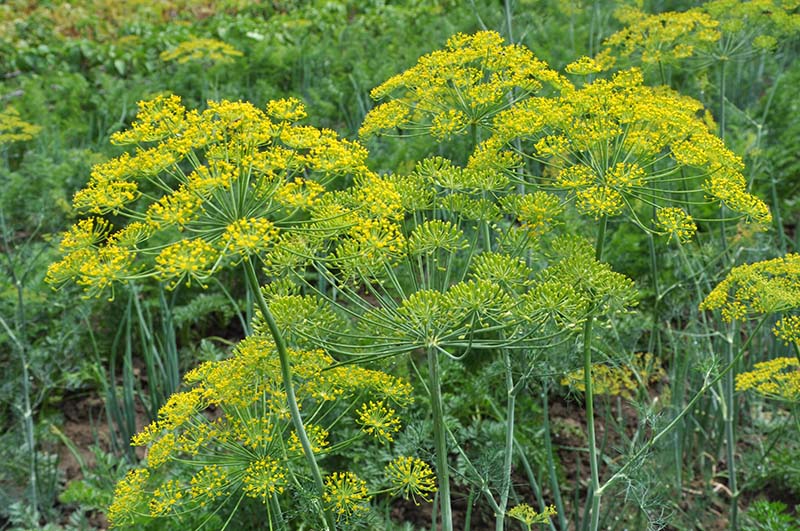
Botanical Name: Anethum graveolens
Four reasons why you Dill should be an ingredient in bodycare: add Flush Out Toxins, Boost Elasticity, Fight Bacteria, Diminish Fine Lines.
Benefits & Uses of Dill: Anti-Inflammatory, Digestion, Liver, Respiratory, Sleep, Urinary
Parts used of Dill: Leaves, Seeds
Parts Best used: Dried or Fresh
Ways to Prepare Dill: Essential Oil, Infusion, Powder, Tincture
Bodycare Uses: Cream, Serum
Culinary Uses: Salads, Pickling, Soups and Stews, Bread and Baked Goods, Dressings and Sauces, Seafood, Yogurt and Cheese, Garnish

Growing
Dill
Plant Type:
Perennial
Sprouts in:
7 - 21 days
Days to Maturity:
40 - 50 days
Sun Exposure:
Full Sun
Plant Zone:
2–11
Soil Ph:
6.5 (slightly acidic)
Planting Depth:
Slightly Cover
Planting Space:
1-2"
Plant Height:
3-5'
Bee Pollinator
Container Friendly
Start Seeds Indoors
Plant Maintenance: Low
Frost Hardy: Dill is Frost Tolerant (Can survive several hours between down to 28°F as long as they have been acclimated to colder temperatures. Plants gradually exposed to decreasing temperatures for a prolonged period will undergo biological adjustments, enhancing their ability to endure colder weather compared to plants subjected to a sudden temperature plunge.)
Easiest To Grow From: Either Seed or Plant
Growing Tips: Plant dill seeds every three weeks starting in early spring until mid-summer to ensure a continuous supply of fresh dill throughout the season.
Seeds & Companion Plants
Ease of Growing from Seed: Fairly easy once seed sprouts
Seeds can be saved. Planting Veggie Companions: Planting Herb Companions: Other Planting Companions: Squash, Radish, Kale, Broccoli, Cauliflower Bad Planting Companions: Carrots, Peppers, Tomatoes More Detail on Companions:
Cabbage
Beans
Peas
Potatoes
Brussel Sprouts
Cucumbers
Lettuce
Tomatoes
Basil
Basil: Have similar growing conditions
Broccoli: Repels pests that target both of the plants, such as aphids and cabbage moths.
Cucumbers: Repells pests that target cucumbers

Harvesting & Preserving
When to Harvest: For optimal flavor and aroma, it is recommended to harvest dill when the plants reach a height of approximately 6 inches, before they start flowering. If you intend to utilize the flowers for pickling or other culinary purposes, it is advisable to let the plants bloom first and then collect the seeds.
Harvesting Tips: Fresh dill has a short shelf life. Keep it refrigerated and wrapped in plastic or in an airtight container to make it last longer. Dehydrate the leaves for longer lasting although the flavor is less vibrant than fresh dill. Freeze it to preserve its fresh flavor.
To ensure your dill plants remain well-hydrated and recover quickly after trimming, be sure to give them a good watering the day before you harvest. This will promote the growth of new leaves.
Trim the leaf stems at the point where they intersect with the main stem's growth tip.
Harvest only a small portion of the leaves, around 25% to 33%, to promote new growth and ensure a steady supply for future harvests.
For freezing dill, finely chop it and fill ice cube trays with the herb. Add a little water to cover the dill completely.
**When foraging for wild herbs, be sure to pay attention to where you are getting it from. Be cautious about harvesting plants grown in potentially contaminated areas like roadsides, driveways, unfamiliar terrain, and areas that may have been sprayed with herbicides.
Pets & Dill
Benefits for Dogs: Digestion: can help with gas, nausea, cramping and appetite.
Works well as a breath freshener
Antioxidant
If ingested: It should be safe for dogs, but best to check with your vet or professional for safe dosage
How Dill can be used for pets: Dill seed tea: 1 tsp. of dill seed to 8 oz. of water. Feed 2-8 oz. to your dog once it is cooled.
**Before administering any supplements to your dog, you should seek advice from a veterinarian**
Dill Videos
How to Prune, Harvest, and Grow Dill in Containers
How To Dry And Store Dill For Cooking And Canning